The World’s Most Dangerous Desserts (and Why People Still Eat Them)
Some desserts look innocent, but a few come with serious risks baked right in. From toxic seeds to temperature extremes, the most dangerous desserts aren’t messing around. People still try them—sometimes out of tradition, sometimes out of pure thrill-seeking. You’d think danger would be a dealbreaker, but for some, that’s half the appeal. These bites might come with a warning label, but that hasn’t stopped anyone yet.
The Black Widow Jello Murders

Julia Lynn Turner proved Jell-O isn’t just for potlucks. This chilling dessert disguise became her poison delivery system of choice, laced with antifreeze to kill both her husband and boyfriend. She served it up, claimed innocence, and nearly got away with it—until investigators put two and two (and $186,000 in life insurance) together. Who knew the wiggliest dessert could double as a murder weapon?
Tarte Tatin

This famous French dessert was born from a kitchen accident—one sister overcooked the apples, panicked, and slapped pastry on top. Voilà! A classic was born. But replicating this “mistake” requires exact timing and a sugar-caramel dance that can turn disastrous fast. Burnt caramel, stuck pans, and flipped disasters await the unwary.
Poison Apples

Turns out Snow White wasn’t being dramatic. In 2015, caramel apples went full villain when a Listeria outbreak linked to pre-packaged versions killed four people and sickened dozens more. Weirdest part? It only affected dressed-up apples—plain ol’ Granny Smiths were innocent. The bacteria loved the combo of apple + caramel + sprinkles, proving that sometimes, going the extra mile on dessert can go horribly wrong.
Unripe Lychees

They look harmless, but bite into one on an empty stomach and you could end up in a hospital. Unripe lychees contain a natural toxin that can cause dramatic drops in blood sugar, especially in children—leading to seizures or even coma. It’s fruit with a fine print warning: eat only when ripe, and preferably after breakfast.
Devil’s Food Cake

Don’t let the name fool you—it’s not evil, unless you half-bake it. Like lava cake’s darker cousin, this rich chocolate classic can go from heavenly to hazardous if your oven game is off. Undercooked cake = bacteria bonanza. The devil’s in the details… and the center of your cake.
Laced Lollipops

These weren’t your average Halloween treats. Disguised as colorful lollipops and gummy bears, these homemade candies packed a punch—of THC, that is. Found in a San Antonio couple’s car and home, these laced sweets nearly turned trick-or-treating into a neighborhood-wide trip. Authorities caught on just in time, sparing kids from a psychedelic sugar high no one asked for. Moral of the story? Don’t accept candy from strangers—or at least make sure it didn’t come with a side of euphoria.
Candies

Can candy kill you? Technically, yes. The American Chemical Society ran the numbers and found that 262 mini candy bars—or about 5.4 pounds of sugar—could be a fatal sugar bomb. That’s 1,627 kernels of candy corn for those keeping score. It’s an outrageous amount, sure, but if your Halloween strategy involves eating everything in one sitting, maybe pace yourself before sugar becomes your final sweet mistake.
Chocolate Lava Cake
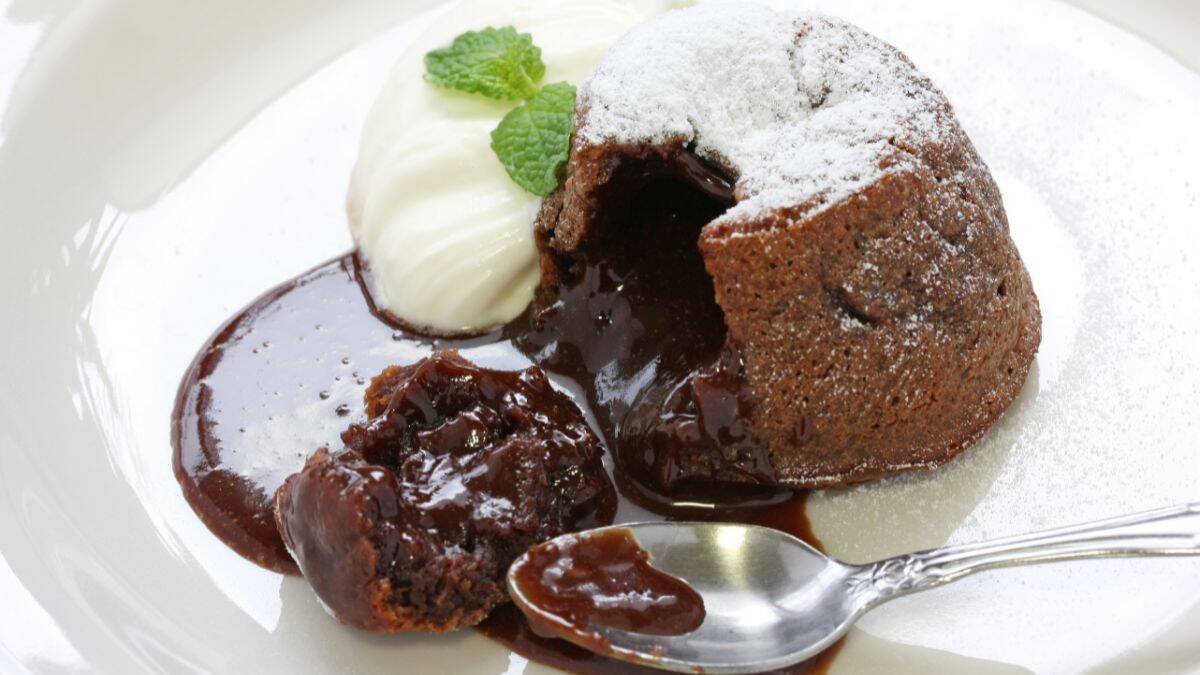
The only thing more dangerous than its rich center? Undercooking it. This decadent treat is all gooey charm when made right, but if your timing’s off, you’re left with raw batter and a possible case of food poisoning. It’s called “lava” cake, not “salmonella surprise,” so bake responsibly.